Table of Contents
- – Evidence-Based Tools for Starting Your Transfo...
- – When High-Achievers Encounter Emotional Wellne...
- – Creating Healthy Connections After Trauma Hea...
- – Moving Beyond Achievement Anxiety to Balanced...
- – Processing Leadership Excellence in the cont...
- – Achievement Integration After PTSD Treatment
- – What Integrative Therapy Delivers for Health...
While everyone experiences sorrow in a different way, recognizing the various stages of despair can aid you prepare for and comprehend a few of the responses you might experience throughout the mourning process. It can additionally assist you recognize your needs when grieving and discover means to meet them. Understanding the grieving process can eventually help you pursue acceptance and recovery.
They can likewise assist you approve that your sensations are not uncommon or wrong. You may recognize sensations that a stage defines, and this will certainly aid you recognize which phase you remain in. There is no fixed method of recognizing a phase. Phases can additionally reoccur, and and earlier phase can return later.
Sorrow is a global human experience that touches every person at some point in life. Whether it's the loss of a loved one, completion of a partnership, a career problem, or one more significant adjustment, despair is the natural psychological response to loss. According to the American Psychological Organization, roughly 10-20% of individuals experience complicated griefa relentless form of extreme griefafter shedding someone near them.
It represents the strength of your love and the deepness of your loss. The negotiating phase frequently entails a series of "what happens if" and "if just" ideas as you emotionally work out for a different result: "So I had taken them to the medical professional sooner ..." "What happens if I had been a far better partner/friend/child?" "I assure to be a better person if this pain disappears"A 2020 testimonial in the Journal of Therapy Psychology located that bargaining thoughts happened in approximately 57% of bereaved people, with greater rates among those dealing with sudden or unexpected losses.
Evidence-Based Tools for Starting Your Transformation with EMDR in Sacramento
Approval doesn't imply you're "over it" or that the discomfort has gone away. Instead, it suggests you're finding out to deal with the loss as component of your story: Readjusting to a brand-new fact Locating brand-new routines and patterns Experiencing minutes of delight without regret Being able to discuss the loss more conveniently Developing meaning from your experienceA longitudinal research study published in JAMA Psychiatry located that most bereaved individuals reached some level of acceptance within 6-24 months, though this timeline varies substantially depending upon aspects like connection to the dead and scenarios of death.
Everyone experiences grief in a different way. Your experience of grief and how you cope with it will depend on different elements. These may include your age, previous experiences with despair and your spiritual or religious sights.
When High-Achievers Encounter Emotional Wellness Difficulties
Awaiting sorrow implies feeling unfortunate prior to the loss occurs. Instead than grieving for the individual, that is still with you, you may feel sorrow for things you will not reach do with each other in the future. When facing a significant loss, such as the fatality of a loved one, it is natural to feel many solid feelings.
This doesn't imply you have actually surrendered on the individual or that you uncommitted for them. Individuals identified with a terminal disease and those encountering the fatality of a loved one may experience awaiting pain. If you have actually been diagnosed with an incurable disease, you might experience numerous emotions consisting of shock, fear and despair.
You grieve lost possibilities or experiences you'll miss even tiny ones, such as the pleasure of the sunlight or a hot cup of coffee. If somebody you love is facing a terminal disease, it prevails to experience awaiting grief in the months, weeks and days before death. You could regret the very same things your liked one is mourning, or different losses entirely.
Creating Healthy Connections After Trauma Healing in Your Life
You may feel that the individual you recognized is already gone, also if they are still physically there. If your loved one has a decline in physical health and wellness or flexibility, you might feel anticipatory pain as you lose the chance to share experiences, such as pastimes, holidays or events.
This is specifically real if you invest a great deal of time looking after the person. You might miss out on activities you made use of to delight in with each other and really feel pain about the change in your partnership. The nature of your relationship may alter as you tackle a carer's role, or become the one being looked after.
Moving Beyond Achievement Anxiety to Balanced Achievement
Feelings of pain prior to fatality are regular it is essential to acknowledge them, and to speak about them. Experiencing anticipatory sorrow does not necessarily indicate that you will certainly grieve your loved one any type of much less after they are gone. Carers of individuals who are terminally ill may become more detailed to their enjoyed one, making their feelings of pain after fatality a lot more extreme.
Lifeline provides assistance for individuals experiencing psychological distress. Past Blue offers details and assistance for people experiencing psychological health problems consisting of sorrow. Griefline Call 1300 845 745 for support readily available to adults aged 18 years and over. Mensline offers telephone and online coaching and assistance to males in Australia. Cancer cells Council provides details and assistance to individuals with cancer and their loved ones.
Processing Leadership Excellence in the context of Inner Struggles
See the CareSearch website for links to palliative care and end-of-life details in a variety of area languages. Call Carer Gateway on 1800 422 737 for resources to sustain for Indigenous and/or Torres Strait Islander carers and neighborhoods. CareSearch supplies info on understanding grief, end of life and palliative treatment needs of the LGBTIQA+ community. In fact, we do not experience feelings of pain one at a time or in a particular order. You may experience these things due to the fact that they are all normal sensations of pain.
It's regular to really feel various other points as well, such as shock, anxiety, fatigue, or sense of guilt. Some people feel numb after the fatality of an individual they cared about. They might also try to continue as though absolutely nothing has actually taken place. If you experience this, maybe due to the fact that it's simply too unsubstantiated that the person you know so well is not returning.
Achievement Integration After PTSD Treatment
Perhaps they promise themselves that they will certainly now constantly do (or not do) something, thinking that it might make the individual who has actually died come back. Individuals may also find that they keep going back over the past and ask whole lots of 'what if' questions, wanting that they might go back and alter things so that they can have turned out in a different way.
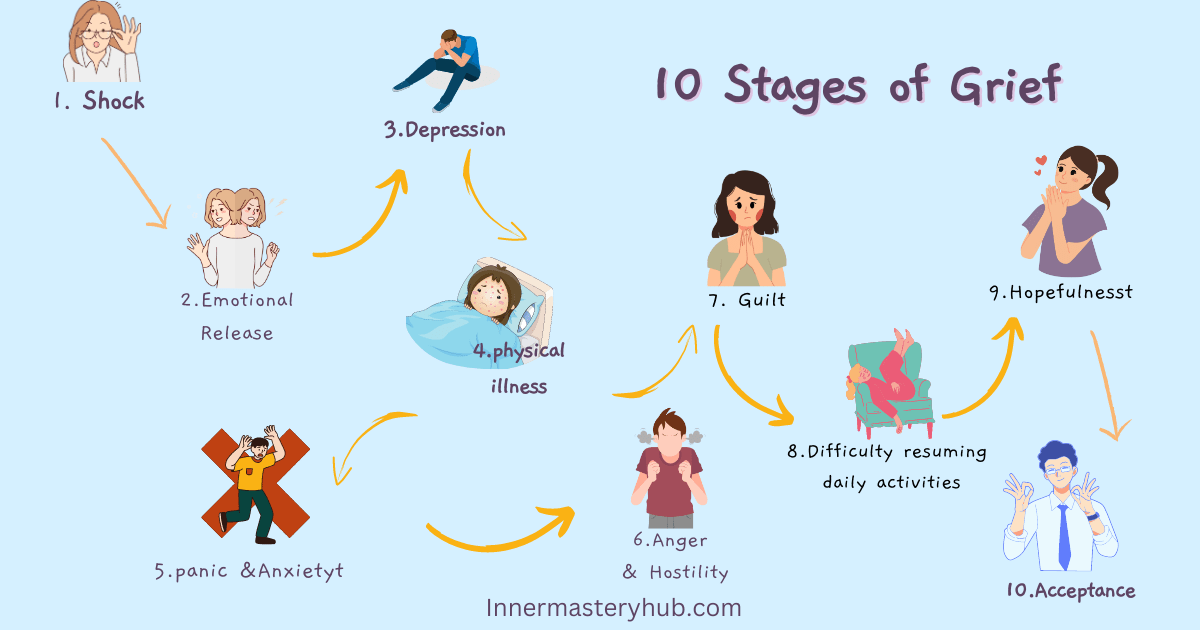
These sensations can be extremely extreme and excruciating, and they might come and go over lots of months or years. A lot of individuals find that agonizing feelings like this come to be much less solid over time. If you do not feel this holds true for you, after that you should request for assistance.
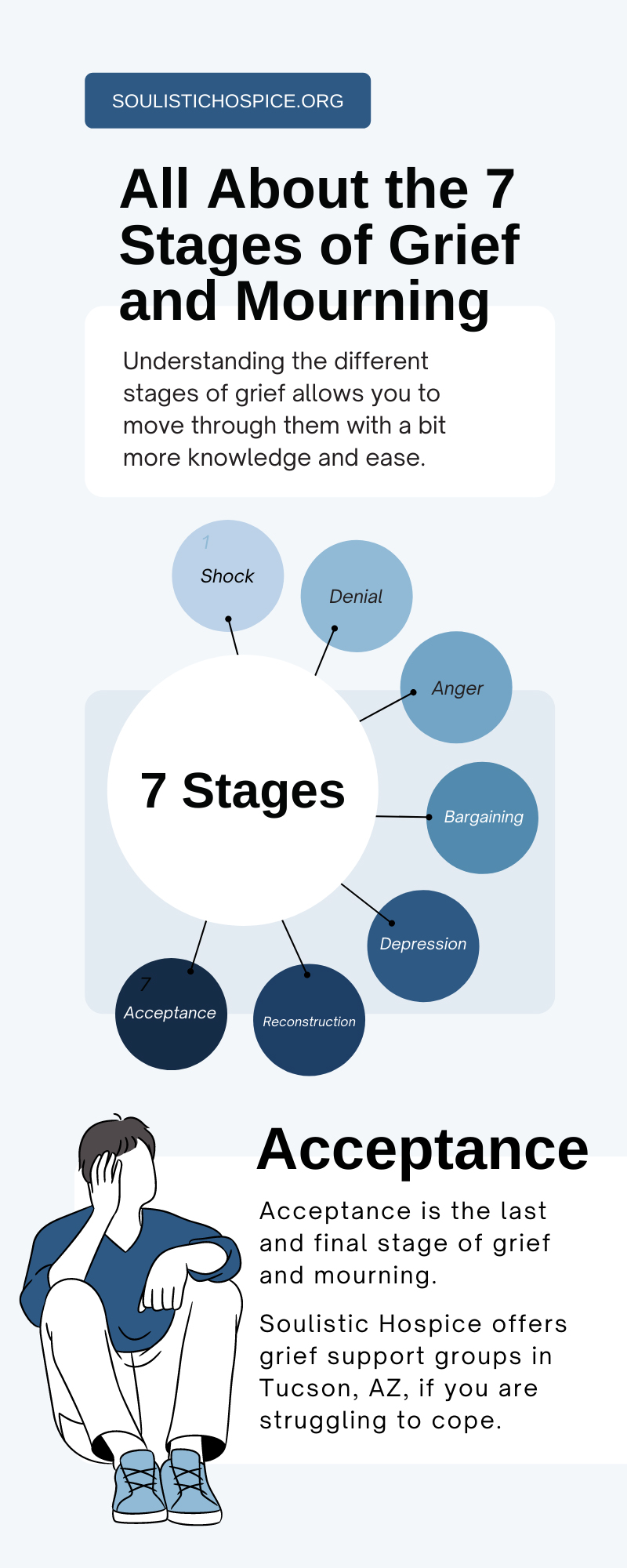
Her design came to be extensively accepted as a way to understand despair, but in time, grief counsellors and scientists increased upon it, leading to the development of the. This extensive design incorporates extra psychological actions that individuals might experience: The initial response to loss commonly brings shock and shock. This phase acts as a safety mechanism, enabling us to take in the reality of our loss in manageable dosages.
What Integrative Therapy Delivers for Healthcare & Medical Professionals Professionals in Sacramento
As the shock fades, deep emotional discomfort collections in. Feelings of regret or sense of guilt may arisewondering if you can have done something in different ways, or sensation grief over points left unsaid. It's important to recognize these feelings instead of reduce them. Pain can materialize as angertoward on your own, others, and even the individual that has passed.

Table of Contents
- – Evidence-Based Tools for Starting Your Transfo...
- – When High-Achievers Encounter Emotional Wellne...
- – Creating Healthy Connections After Trauma Hea...
- – Moving Beyond Achievement Anxiety to Balanced...
- – Processing Leadership Excellence in the cont...
- – Achievement Integration After PTSD Treatment
- – What Integrative Therapy Delivers for Health...
Latest Posts
The Protectors That Drive Performance
How Physicians Require Customized Care in Sacramento
Resolving Identity Concerns Using Depth Psychology in Clinical Settings
Navigation
Latest Posts
The Protectors That Drive Performance
How Physicians Require Customized Care in Sacramento
Resolving Identity Concerns Using Depth Psychology in Clinical Settings